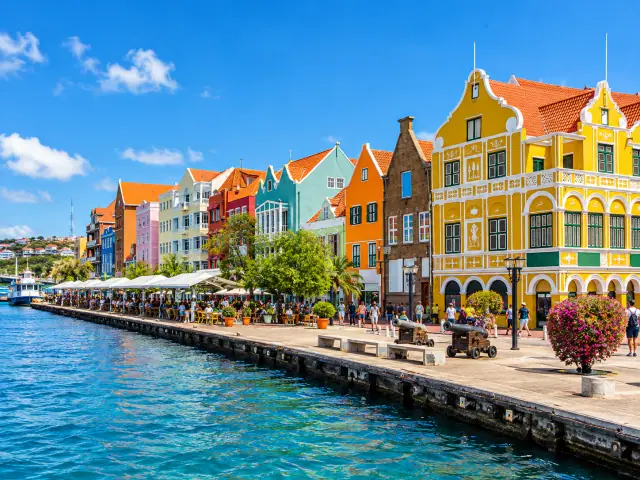

Illustrative view of the Philipsburg waterfront in Sint Maarten; not a client property or matter. Photo: Scott S. Bateman / Unsplash. Resized for web. Photo licence.
An international business may arrive at a Sint Maarten legal question through a proposed acquisition, a disputed invoice or a lease that needs to be signed quickly. The first instruction often contains a long email chain and one short request: can we proceed?
That question is easier to answer when counsel can see the decision the business needs to make, the documents on which it depends and the consequences of delay. A focused opening brief also makes it easier to agree a proportionate scope and budget. The suggestions below concern preparing and managing that instruction. They are not a statement that any particular transaction or claim will succeed.
Start with the decision, not the entire archive
Explain what you need to decide and when. For a transaction, this might be whether to sign an unconditional agreement, release a deposit or commit to a completion date. For a dispute, it might be whether to pursue payment, respond to a demand or preserve an ongoing supply relationship.
Separate the commercial target from the legal questions. “We want to complete next month” is a business objective. “Which unresolved matters could prevent completion, and who must resolve them?” is a useful instruction. Give counsel both, together with any genuine deadline and the document or event from which it arises. Do not assume that a deadline written in an internal project plan is a statutory or contractual deadline.
A short chronology is usually more useful at the outset than an unstructured download. Include the relevant agreement, amendments, key notices and the correspondence that changed the parties' positions. Flag missing documents rather than filling the gaps with assumptions.
Identify the jurisdiction and every relevant entity
Sint Maarten is a country within the Kingdom of the Netherlands. It should not be treated as interchangeable with the Netherlands or the other Dutch Caribbean jurisdictions. The northern part of the island, Saint-Martin, is a French overseas collectivity. The Government of the Netherlands explains this constitutional geography in its overview of the Kingdom.
For the instruction, identify the location of the property, operations and relevant parties. If the matter touches both sides of the island or companies incorporated elsewhere, ask who will coordinate the different legal workstreams. A shared trading name or a regional business description is not enough to establish which company signed a contract or owns an asset.
The St. Maarten Chamber of Commerce and Industry allows businesses to be searched by name or COCI number. Its registry page distinguishes the information displayed on screen from a certified excerpt, and says the on-screen registration may not be used for official purposes. Give counsel the exact entity name and registration number where available, and ask what current records are needed for the intended decision.
Do not ask a registry search to answer every due-diligence question. Provide the relevant contracts and any available constitutional documents, authorisations and ownership information as well. Counsel can then identify which additional evidence is necessary rather than treating a single document as a complete review.
Define the work that matters commercially
For a proposed investment or acquisition, explain whether the immediate task is an early risk assessment, a targeted document review or a fuller transaction instruction. A buyer considering several targets may need a short list of issues that affect price or feasibility before commissioning a broader review. A business already approaching signature may need advice on specific outstanding conditions and responsibility for resolving them.
Permissions, premises, staffing and financing should be assigned to named workstreams. Ask whether the proposed activity or change requires a current licensing review; do not assume that existing paperwork answers a new operational plan. This article does not set out licence requirements or processing times. Those need a separate review against the applicable rules and the facts.
For a dispute, distinguish a legal entitlement from a commercial recovery objective. Tell counsel what is owed or sought, what has been contested, which documents support each position and whether the relationship still has value. Ask for the information needed to assess options, costs and practical recovery prospects before choosing a course. A proposed strategy should identify its assumptions and what would cause the recommendation to change.
Agree how the advisers will work together
Where international counsel, an accountant or a transaction adviser is already involved, nominate one coordinating contact. Agree which adviser will answer local legal questions, who will consolidate comments and who is authorised to give instructions. This reduces the risk that several people separately request the same work or that an important issue falls between teams.
Ask for a staged scope with clear exclusions. Initial advice can identify missing evidence and the next decision without implying that every document or jurisdiction has been reviewed. Where an estimate depends on the volume of material, third-party responses or an unresolved factual issue, ask for those assumptions to be stated. Agree how additional work will be approved.
Useful progress reporting should connect legal work to decisions. A short update can identify what has been confirmed, what remains unresolved, who owns the next action and which commercial commitment should wait. Agree an update rhythm and a route for genuinely urgent developments rather than relying on an assumed response time.
Prepare the first conversation
Before the introductory discussion, assemble a concise matter summary, the names of the relevant parties for conflict checking, the main documents and the decision timetable. Ask the firm how it wants sensitive material transmitted before sending a large confidential archive. Explain any restrictions on who may receive information and who will approve the instruction.
The aim is to enable a productive first assessment, not to complete the legal analysis yourself. A well-prepared brief helps counsel explain what can be addressed now, what needs further evidence and where another professional's input is necessary.
For information about the firm's regional scope, see its Sint Maarten jurisdiction page. The corporate-law and litigation service guides focus on Curaçao; the applicable Sint Maarten rules and any local representation requirements need separate assessment. Contact ZL Attorneys to discuss the proposed instruction.
This article provides general educational information. The appropriate approach depends on the circumstances and applicable law; obtain advice on your particular matter.